Of Yearbooks and Coding
24 Jul 2025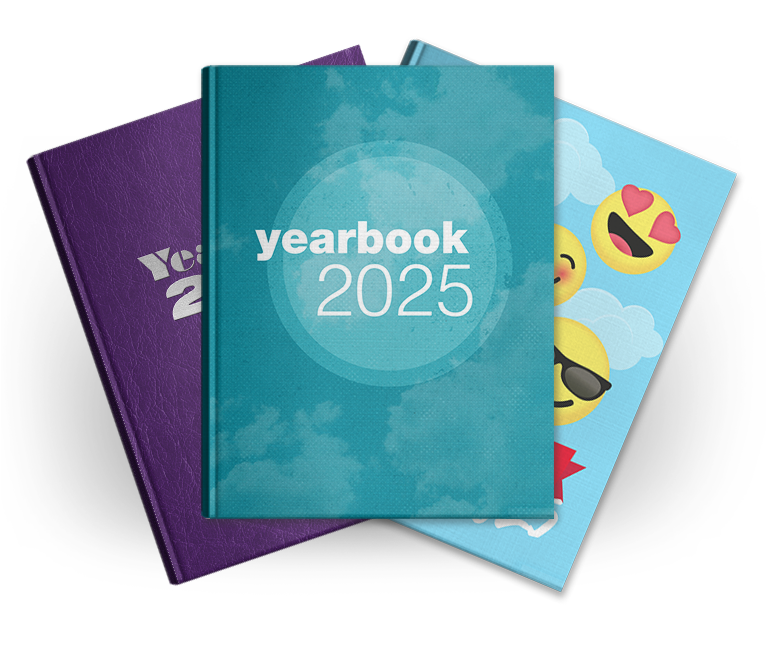
Intro
A fun fact about me that I don’t get to bring up often is that back in highschool, I got to work on my school’s yearbook during my Freshman to Junior years. My experiences with these projects were extremely fun, and extremely stressful. However, they would be pivotal to my general understanding of design, albeit in a more creative way. This may seem extremely tangential to the topic of coding, but I bring it up for an important reason. This past week, I learned how to build apps using Next.js, and some of the procedures that were done to tailor our templates to what we’re looking to build were almost reminiscent of my time during yearbook, especially regarding how we went about our approach to design.
Design parallels between Yearbook and Coding
When creating a yearbook, it’s obvious that the first thing that is decided on is theming. This is important, because ultimately it determines what aesthetics you’re aiming for, what fonts you’re going to use, and what color palette you’re going to use. Through establishing this fundamental information, you can then refer to this information later on down the road, when you’re stumped on what you want to do to design a page (think stuff like the superlatives, the trends pages - basically anything that isn’t just a portrait page). All of this offers a fundamental framework that you can then build off to be able to make the yearbook more cohesive and fun.
This process, to me, is almost exactly what programming using coding patterns are like. There is a difference in that of course Next.js is just a template, while yearbooks are created almost entirely from scratch, but it’s the idea that remains constant throughout the process of it. Next.js’s template is essentially your yearbook’s theme that has already been decided on your behalf, and it’s what you refer to when changing up the site to fit your needs. This is due to the fact that both the template and the theming will fill in whatever gaps are present when you start to design/code your yearbook/website. And because they fill the gaps in, they allow you to be able to progress faster through the work required for them, compared to if there was absolutely no template (or no theme in the context of yearbooks).
Another thing to note between both yearbooks and coding is that for both, you are working in a team. Both projects have many amounts of tasks that need to be accomplished, and because of that, it’s useful to be on the same page about what you’re working toward. This is ultimately where design patterns come in, because these design patterns are generally shared. Because they are shared across everyone, this ultimately makes some aspects of the project easier to finish. A teammate can directly infer what a different teammate was tryign to do, so long as it follows the patterns of the project, and that makes working together a lot more efficient, compared to if there are no patterns established whatsoever.
Takeaways
Learning how to utilize design patterns, both in the context of yearbook, and in programming, is an incredibly useful tool to have. They allow you to be able to easily fill in blanks that might be found when working on a project, and they allow you to be more efficient as a team. Understanding design patterns ultimately is a way of becoming more efficient, regardless of whether you work on a yearbook, or on code.